In 2026, building a website is easy. But building a website that actually converts visitors into customers is a completely different challenge.
Many Toronto businesses invest in web design, SEO, and digital marketing, but still struggle to generate leads. The problem is not always traffic. The real issue is understanding how users think and behave online.
Website conversion is deeply connected to psychology. Every click, scroll, and action a user takes is influenced by emotions, trust, and decision making patterns.
Businesses that understand user psychology create websites that not only attract visitors but also convert them into paying customers.
If you want to build a high converting website, explore our services here
https://byteinspired.com/services-3/
Why Psychology Matters in Website Design
When users visit your website, they make decisions within seconds. They decide whether to stay, explore, or leave.
This decision is not logical. It is emotional.
Users ask themselves questions like
Is this website trustworthy
Is this business professional
Can I solve my problem here
If your website does not answer these questions instantly, visitors leave.
Understanding user psychology helps businesses design websites that feel intuitive, trustworthy, and engaging.
First Impressions Decide Everything
First impressions happen in less than a few seconds. Your design, layout, and content immediately influence how users feel.
A modern, clean website builds trust. An outdated or slow website creates doubt.
Important factors that affect first impressions include
• Website speed
• Visual design
• Clear messaging
• Mobile responsiveness
If your website looks unprofessional, users assume your service is also unprofessional.
The Power of Simplicity
One of the biggest mistakes businesses make is overcomplicating their website.
Too many options, too much text, and cluttered layouts confuse users.
Simple websites perform better because they
• Guide users clearly
• Reduce decision fatigue
• Improve user experience
• Increase conversions
When users understand what to do, they are more likely to take action.
Trust Is the Foundation of Conversion
Trust is one of the most powerful psychological triggers in digital marketing.
Without trust, users will not take action.
High converting websites include strong trust signals such as
• Customer reviews
• Testimonials
• Case studies
• Secure HTTPS connection
• Clear contact details
Trust reduces hesitation and increases confidence in your brand.
Toronto businesses that focus on building trust see higher conversion rates and better customer retention.
The Role of Visual Hierarchy
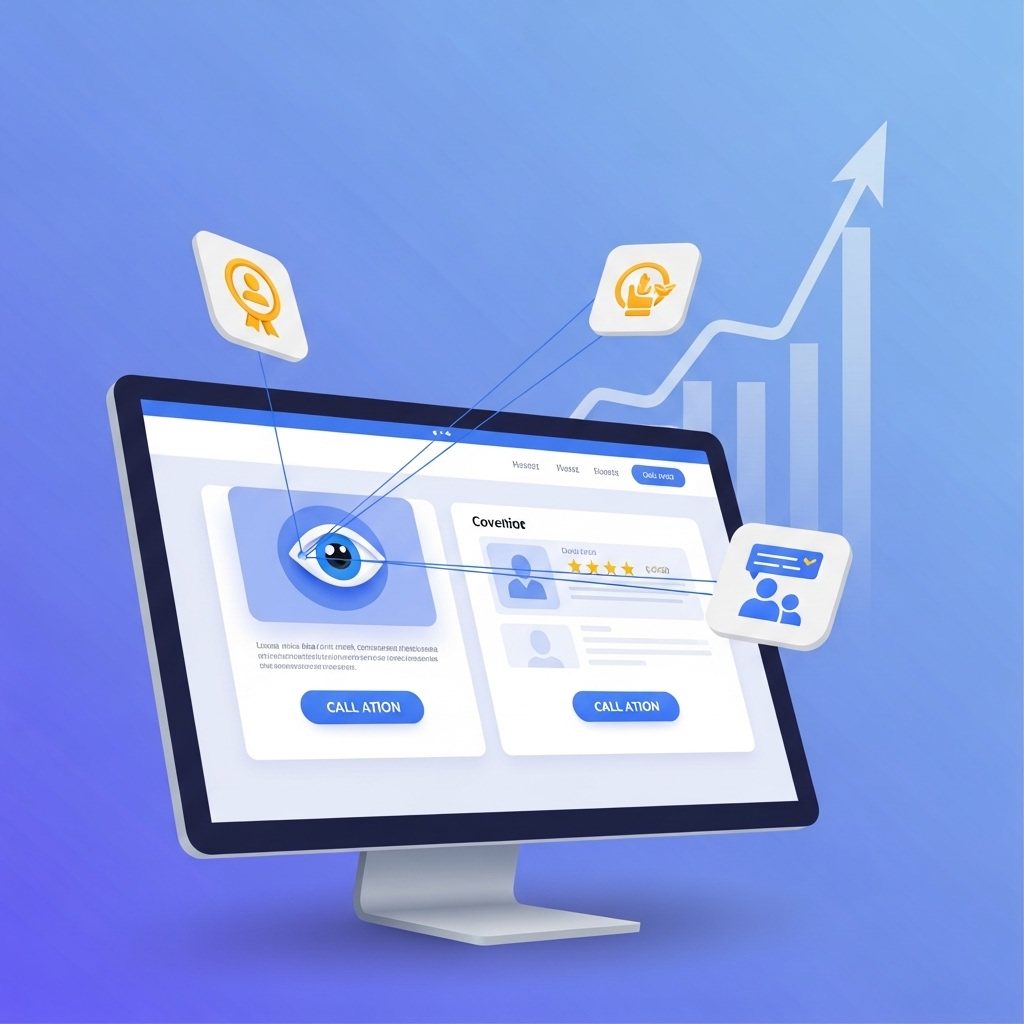
Visual hierarchy is how you guide users’ attention on your website.
Users do not read every word. They scan.
Your design should highlight the most important elements such as
• Headlines
• Call to action buttons
• Key benefits
• Contact options
A well structured layout ensures users focus on what matters most.
Poor hierarchy leads to confusion and lost opportunities.
Emotional Triggers That Drive Action
People make decisions based on emotions and justify them with logic.
Effective websites use emotional triggers such as
• Urgency
• Scarcity
• Social proof
• Fear of missing out
• Desire for success
For example, phrases like Limited availability or Get results faster create urgency and encourage action.
Understanding these triggers helps businesses influence user behavior ethically and effectively.
The Importance of Clear Messaging
Confusing messaging is one of the biggest reasons websites fail.
Visitors should immediately understand
• What you offer
• Who it is for
• How it helps them
If users need to think too much, they leave.
Clear messaging improves engagement, reduces bounce rate, and increases conversions.
How User Experience Affects Behavior
User experience directly impacts how users interact with your website.
A smooth experience makes users feel comfortable. A frustrating experience pushes them away.
Key factors include
• Fast loading speed
• Easy navigation
• Mobile friendly design
• Simple forms
When users enjoy using your website, they stay longer and are more likely to convert.
The Role of Call to Action
Your call to action is one of the most important elements on your website.
It tells users exactly what to do next.
Effective calls to action are
• Clear
• Action oriented
• Visually visible
Examples include
Get a Free Quote
Book a Consultation
Start Your Project
Weak or unclear calls to action lead to lost opportunities.
Why Data and Testing Matter
Understanding psychology is important, but testing is essential.
Successful businesses do not guess. They test.
They use tools like analytics, heatmaps, and user behavior tracking to understand how visitors interact with their website.
Testing allows you to improve continuously and make data driven decisions.
This leads to better performance over time.
How Toronto Businesses Are Using Psychology to Grow
Forward thinking businesses are combining psychology with technology to improve results.
They focus on
• Conversion focused design
• User behavior analysis
• Trust building strategies
• Performance optimization
• Continuous improvement
This approach creates websites that not only attract traffic but also generate real business growth.
Final Thoughts
In 2026, website success is not just about design or SEO. It is about understanding people.
When you understand how users think, you can create websites that guide them naturally toward action.
If your website is not converting, the problem may not be traffic. It may be psychology.
At Byte Inspired, we help Toronto businesses design high converting websites based on real user behavior, strategy, and performance optimization.
Explore our services here
https://byteinspired.com/services-3/
Turn your website into a powerful tool that converts visitors into customers and drives long term growth