In 2026, building a website is no longer the difficult part. The real challenge is building a website that actually converts visitors into customers.
Many Toronto businesses invest in web design, SEO, and digital marketing, yet still struggle to generate leads. In most cases, the problem is not traffic. The real issue is how users think and behave when they land on a website.
Website conversion is strongly influenced by psychology. Every click, scroll, and decision is driven by emotion, trust, and perception. Businesses that understand this create websites that do more than just look good. They create websites that convert.
If you want to improve your website performance, explore our services here
https://byteinspired.com/services-3/
Why User Psychology Matters in Website Design
When a visitor lands on your website, they make a decision within seconds. They decide whether to stay or leave almost instantly.
This decision is emotional, not logical.
Users quickly evaluate your website by asking themselves simple questions. Does this business look trustworthy. Is this website professional. Can this service solve my problem.
If your website does not answer these questions immediately, visitors leave without taking action. Understanding user psychology helps you create a website that feels clear, trustworthy, and easy to use.
First Impressions Shape User Decisions
First impressions happen almost instantly. Your website design, layout, and speed all influence how users feel in the first few seconds.
A clean and modern website builds confidence. A slow or outdated design creates doubt.
Users associate your website quality with your business quality. If your website looks unprofessional, they assume your service is the same.
This is why investing in strong design and performance is critical for conversion.
Simplicity Improves Conversion Rates
One of the biggest mistakes businesses make is adding too much to their website. Too many sections, too much text, and too many options overwhelm visitors.
When users feel confused, they leave.
Simple websites perform better because they guide users clearly toward one action. They reduce decision fatigue and make it easier for visitors to take the next step.
Clarity always wins over complexity.
Trust Is the Key to More Leads
Trust plays a major role in whether a visitor becomes a customer. Without trust, even the best design will fail to convert.
High converting websites include elements that build confidence. These include customer testimonials, real reviews, clear contact details, and secure website connections.
When users feel safe and confident, they are far more likely to take action.
Toronto businesses that focus on trust building often see significant improvements in conversion rates and customer loyalty.
Visual Hierarchy Guides User Attention
Visitors do not read every word on your website. They scan quickly.
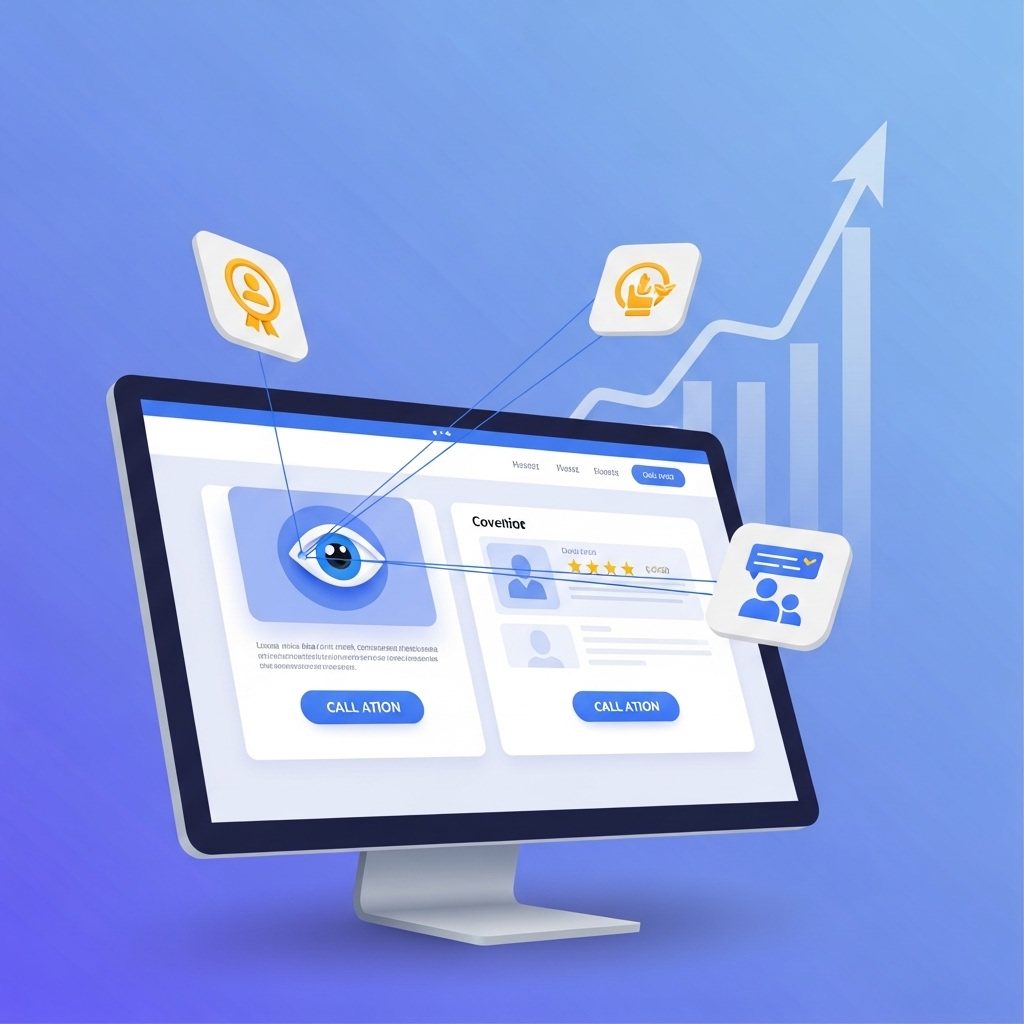
This is why visual hierarchy is important. Your website should guide users to focus on the most important elements first.
Headlines, key benefits, and call to action buttons should stand out clearly. When your layout is structured properly, users naturally move toward conversion points.
If your design lacks structure, users get lost and leave.
Emotional Triggers Influence Decisions
People make decisions based on emotion and then justify them with logic.
High converting websites use emotional triggers to guide user behavior. These include urgency, social proof, and the desire for improvement or success.
For example, showing limited availability or highlighting results can motivate users to act faster.
When used correctly, these triggers improve engagement and increase conversions without feeling aggressive.
Clear Messaging Increases Engagement
One of the biggest reasons websites fail is unclear messaging.
Visitors should understand what you offer, who it is for, and how it helps them within a few seconds.
If your message is confusing, users will not spend time trying to figure it out. They will simply leave.
Clear and direct messaging improves user engagement, reduces bounce rate, and increases conversion rate.
User Experience Drives Behavior
User experience directly affects how people interact with your website.
A fast, smooth, and easy to navigate website creates a positive experience. A slow or confusing website creates frustration.
When users enjoy the experience, they stay longer, explore more pages, and are more likely to convert.
Important elements of good user experience include fast loading speed, mobile optimization, simple navigation, and easy to use forms.
Strong Call to Action Drives Results
Your call to action tells users exactly what to do next. Without a clear call to action, visitors will not take the next step.
Effective calls to action are simple, visible, and action focused.
Examples include Get a Free Quote, Book a Consultation, or Start Your Project.
If your website does not clearly guide users, you will lose potential leads.
Data and Testing Improve Performance
Understanding psychology is important, but data is what drives real improvement.
Successful businesses continuously test their websites to see what works best. They analyze user behavior, track performance, and make improvements based on real insights.
This process allows them to improve conversion rates over time and stay ahead of competitors.
How Toronto Businesses Are Using Psychology to Grow
Leading businesses in Toronto are combining design, SEO, and psychology to create powerful digital experiences.
They focus on improving user experience, building trust, optimizing performance, and continuously testing their websites.
This approach allows them to turn website traffic into real business growth instead of just numbers.
Final Thoughts
In 2026, website success is not just about having a modern design or strong SEO. It is about understanding how users think and behave.
When you apply psychological principles to your website, you create a system that naturally guides visitors toward action.
If your website is not converting, the issue may not be traffic. It may be how your website communicates and connects with users.
At Byte Inspired, we help Toronto businesses build high converting websites that combine strategy, performance, and user psychology.
Explore our services here
https://byteinspired.com/services-3/
Turn your website into a powerful tool that converts visitors into customers and drives long term growth